
Assessing home renovation cost is crucial for successful projects. Costs vary based on location, scope, design, and market trends, with averages ranging from $10,000 to $250,000+. Engaging professionals for detailed proposals helps identify hidden costs. Lenders consider property value increases after renovation. Strategic budgeting, research, and contingency funds manage home renovation cost expectations and prevent surprises. Alining projects with market trends and buyer preferences maximizes return on investment.
In today’s competitive real estate market, understanding strategic content regarding home renovation cost is paramount for both sellers seeking to maximize returns and buyers aiming to make informed investments. The intricate relationship between renovation expenses and property values often proves problematic, with many overlooking the intricacies involved. This article provides an authoritative guide, meticulously unraveling the factors influencing home renovation cost. We offer practical insights to help professionals and enthusiasts navigate this landscape effectively, ensuring they make strategic decisions that enhance property value and achieve their goals.
Assessing Home Renovation Cost: A Comprehensive Guide

Assessing home renovation cost is a crucial step for any property owner considering a remodel. This comprehensive guide delves into the complexities of estimating expenses, offering expert insights to help borrowers navigate this process effectively. The first step in planning any renovation project involves understanding that home renovation cost can vary wildly based on factors like scope, location, and design choices. According to recent industry reports, the average cost of a kitchen remodel ranges from $25,000 to $40,000, while bathroom renovations typically fall between $10,000 and $30,000. However, these are just averages; individual projects can significantly deviate based on specific needs and preferences.
Borrowers should also factor in hidden costs often overlooked during initial planning. Permits, inspections, and unforeseen structural issues can add several thousand dollars to the home renovation cost. For instance, a minor bathroom upgrade might uncover outdated plumbing requiring costly replacements. Therefore, it’s essential to create a realistic budget that accounts for contingencies, ensuring financial stability throughout the project. Additionally, engaging professional contractors who provide detailed proposals can offer valuable insights into potential hidden expenses and help borrowers align their expectations with reality.
Another critical aspect of home renovation cost borrower requirements involves understanding financing options. Lenders typically consider the expected increase in property value after renovation when assessing loan applications. A well-planned and executed project can significantly enhance a home’s resale value, making it a sound investment. However, borrowers should be prepared to demonstrate how they plan to recoup their renovation costs. This may involve providing detailed proposals, estimating future property values, or showcasing similar properties in the area with comparable recent sales data. A strategic approach to budgeting and financial planning ensures that both the home renovation cost and borrowing process are transparent and manageable.
Factors Influencing Renovations: Budget and Beyond

When planning a home renovation project, understanding the various factors influencing home renovation cost is crucial for any real estate investor or homeowner. The budget is often the primary consideration, but it’s only one piece of the complex puzzle. Home renovation cost can be shaped by multiple elements that extend beyond mere financial outlay. For instance, location plays a significant role; urban areas with higher land values will generally result in more expensive renovation projects compared to suburban or rural settings. Similarly, the scale and complexity of the renovation project itself dictates the overall expenditure. A minor kitchen remodel pales in comparison to the costs incurred in gutting and rebuilding an entire floor.
Borrower requirements also factor into the equation, with lenders often mandating specific minimum standards for safety and functionality. These requirements can increase home renovation cost by requiring structural changes or adherence to modern building codes. Additionally, market trends and supply chain dynamics impact materials and labor costs; shortages of certain materials or skilled labor can significantly drive up prices. For example, a surge in demand for luxury finishes during the pandemic led to increased pricing for high-end fixtures and appliances.
To effectively manage home renovation cost, borrowers should engage with experienced professionals who can provide realistic estimates tailored to their specific needs. Conducting thorough research on market rates and materials is essential. Moreover, prioritizing projects based on both personal desires and practical considerations can help prevent unnecessary expenses. Staying informed about industry trends and potential supply chain disruptions enables borrowers to make more informed decisions, ensuring their renovation budget aligns with current market conditions.
Planning Your Home Makeover: Setting Realistic Expectations

Planning a home renovation can be an exciting yet daunting endeavor. One of the most critical aspects of this process is setting realistic expectations, particularly when it comes to understanding home renovation cost. Many homeowners underestimate the financial commitment involved, often leading to stress and disappointment during or after the project. According to recent industry reports, the average cost of a mid-range kitchen remodel ranges from $25,000 to $40,000, while a bathroom makeover can run anywhere between $10,000 and $30,000. These figures vary based on location, project scope, and design choices, but they underscore the importance of thoughtful planning.
To set realistic expectations, start by assessing your home renovation cost based on specific borrower requirements. Lenders typically consider 1-3 times the estimated home value as a reasonable budget for renovations. This financing approach ensures you have the necessary capital without overextending yourself. For instance, if your home’s assessed value is $300,000, a prudent home renovation cost range might be between $90,000 and $90,000 times three, or approximately $270,000. This comprehensive budget should factor in not just the direct costs of materials and labor but also indirect expenses like permits, inspections, and potential unforeseen issues that may arise during construction.
Considerable research and planning are essential to aligning your home renovation cost expectations with reality. Create a detailed project plan, including a breakdown of tasks and corresponding budgets. Consult professionals who can provide insights tailored to your area and project type. Additionally, reviewing case studies of similar renovation projects in your region offers valuable context on pricing dynamics. By approaching home renovation cost estimation thoughtfully and comprehensively, you’ll be better prepared to navigate the renovation process with confidence, ensuring a successful transformation that meets both your aesthetic and financial objectives.
Cost Estimation Techniques for Accurate Forecasting

Strategic content creation for home renovation cost involves employing robust cost estimation techniques to deliver accurate forecasts. These methods are crucial in guiding real estate professionals and borrowers through the complex landscape of home renovation expenses. One widely adopted approach is the line item budget, where each element of the renovation—from materials to labor—is meticulously broken down. This technique ensures transparency and allows for precise tracking against initial estimates. For instance, a kitchen remodel might detail costs for cabinet replacement, countertop installation, plumbing, and electrical work, enabling borrowers to understand the home renovation cost breakdown.
Another effective strategy is leveraging historical data and industry benchmarks. Analyzing past projects of similar scope provides valuable insights into potential expenses. According to recent studies, the average cost of a mid-range kitchen remodel ranges between $25,000 and $40,000, while high-end renovations can easily surpass $100,000. This data is instrumental in setting realistic expectations for borrowers. Moreover, understanding local market dynamics—including labor rates and material availability—is essential for accurate cost estimation. Home renovation cost borrower requirements often dictate a 10-20% contingency fund to account for unforeseen expenses, underscoring the need for thorough and precise forecasting.
Expert advice emphasizes the importance of regular review and adjustment during the renovation process. Unforeseen challenges and changes in scope can significantly impact home renovation cost. Therefore, flexible budgeting and adaptive strategies are vital. Professionals suggest periodic comparisons between actual costs and estimated budgets to identify deviations early on. This proactive approach ensures that any discrepancies are addressed promptly, minimizing potential financial surprises for borrowers. By combining robust estimation techniques with adaptability, real estate professionals can enhance the transparency of home renovation cost, fostering trust and ensuring a smoother experience for all stakeholders involved.
Navigating Unexpected Expenses in Home Renovations

Navigating unexpected expenses is a critical aspect of home renovation projects, as costs can quickly escalate if not properly managed. Home renovation cost is a multifaceted consideration, with numerous variables impacting the final price tag. Borrowers often underestimate the financial commitment involved, leading to challenges midway through renovations or post-completion. According to recent industry reports, average renovation costs in many regions range from $50,000 to $150,000, with higher-end projects exceeding $250,000. These figures underscore the need for meticulous planning and budgeting.
One of the primary reasons for budget overruns is unforeseen issues that arise during construction. For instance, structural problems hidden behind walls or outdated electrical systems requiring extensive upgrades can significantly drive up home renovation cost. Additionally, weather conditions frequently cause delays and increase labor costs. Expert advice suggests setting aside a contingency fund, typically 10-20% of the projected budget, to accommodate these unexpected expenses. This strategic buffer enables borrowers to navigate challenges without compromising essential aspects of their renovation plans.
Understanding borrower requirements is paramount in managing home renovation cost effectively. Lenders often assess the project’s feasibility and appraise the property post-renovation to ensure the investment aligns with the project’s scope and value. Borrowers should provide detailed plans, estimates, and a clear understanding of the desired outcomes. Engaging experienced contractors who can offer transparent pricing and help identify potential savings opportunities is crucial. By staying informed about market rates and materials costs, borrowers can make informed decisions, ensuring their renovation investments are both financially prudent and aligned with their goals.
Maximizing Investment: Return on Your Renovation Costs
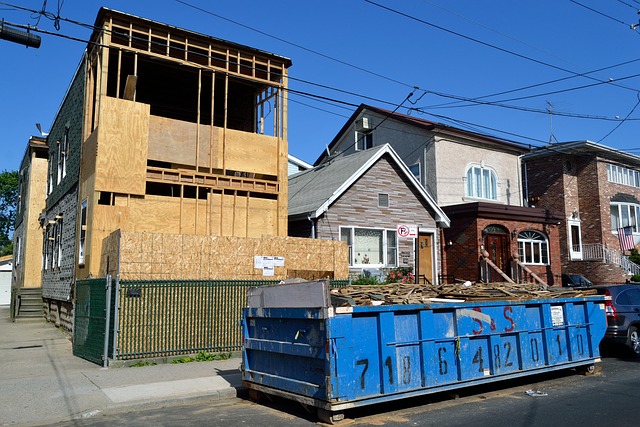
Maximizing investment is a key consideration when planning home renovation costs. Understanding the potential return on your renovation expenses is crucial for any real estate investor or homeowner looking to add value to their property. According to recent market trends, well-executed home renovations can significantly boost the resale value of a home, often exceeding the initial investment by 50% or more. For instance, a kitchen remodel that costs $30,000 could increase your home’s value by $40,000 or more upon sale.
However, maximizing return on home renovation cost isn’t merely about quantifying potential gains; it also involves aligning renovation projects with market demands and understanding borrower requirements. Lenders often assess the feasibility of a renovation project based on factors like expected appreciation, property location, and the proposed improvements’ value to the overall property. It’s essential to demonstrate that your renovation plans not only enhance living spaces but also cater to current buyer preferences. For example, investments in energy-efficient appliances, smart home technology, and high-end fixtures have consistently shown higher returns due to their widespread appeal among modern homebuyers.
Practical advice for maximizing your return on investment includes consulting with real estate professionals who can provide insights into local market trends and borrower expectations. Conducting a thorough pre-renovation inspection and creating a detailed budget that accounts for potential unforeseen expenses is also crucial. Additionally, focusing on high-impact areas like kitchens, bathrooms, and exterior spaces can yield substantial returns. For instance, upgrading outdated fixtures and appliances in the kitchen or remodeling a cramped bathroom can not only enhance comfort but also attract premium resale values. When planning home renovation costs, remember that borrower requirements often dictate the feasibility of your project; aiming for 1.5 to 3 times the expected renovation cost in terms of potential property value appreciation is generally advisable.