
Home renovation cost varies by project scope, location, and home condition. Detailed planning, realistic budgets, and managing hidden costs are key. Set a budget, research rates, and explore financing. Track expenses and adjust for material fluctuations. Expert advice ensures cost-effective, successful projects.
In the realm of homeownership, the topic of home renovation cost is a crucial aspect often shrouded in mystery, causing many homeowners to approach it with trepidation. Navigating the financial complexities of home renovations can indeed be a daunting task, especially for those new to the process. This article aims to demystify home renovation cost, providing homeowners with a comprehensive guide to help them plan, budget, and confidently embark on their renovation journey. By the end, folks will be equipped to make informed decisions, ensuring their projects stay on track and within budget.
Understanding Home Renovation Cost: Factors to Consider

Understanding home renovation cost is crucial for any homeowner considering a project. Several factors significantly influence the final bill, making it essential to have a comprehensive grasp before breaking ground. According to recent industry reports, the average cost of a home renovation in the United States ranges from $20,000 to $60,000, with larger projects exceeding $100,000. This vast spectrum underscores the importance of careful planning and budgeting. Key drivers of home renovation cost include the project’s scope, location, and the current state of the home. For instance, a minor kitchen remodel might cost $10,000 to $20,000, while a complete gut renovation could easily reach $50,000 or more, depending on the addition of new features, high-end finishes, or structural changes.
Another critical aspect to consider is the borrower requirements for financing these projects. Lenders often assess the loan-to-value (LTV) ratio, which compares the loan amount to the home’s estimated value after the renovation. For smaller projects, a 75% LTV ratio is common, meaning borrowers can secure funding up to 75% of their home’s post-renovation value. For larger, more extensive renovations, lenders may require a lower LTV ratio, sometimes as low as 60%, to mitigate risk. Homeowners should also factor in potential hidden costs, such as unforeseen structural issues or unexpected material price fluctuations, which can significantly impact the final budget.
Expert advice emphasizes the importance of detailed planning and realistic expectations. Creating a detailed scope of work, including a line item budget, helps in accurately estimating costs and avoiding surprises. Additionally, homeowners can save money by prioritizing projects based on both personal needs and ROI, negotiating prices with contractors, and exploring cost-effective materials and finishes. For instance, opting for sustainable or recycled materials, choosing efficient appliances, and selecting neutral color palettes can significantly reduce material and labor costs. By understanding these factors and proactively addressing them, homeowners can ensure their home renovation projects stay on budget and deliver the desired results.
Budgeting for Renovations: Creating a Realistic Plan
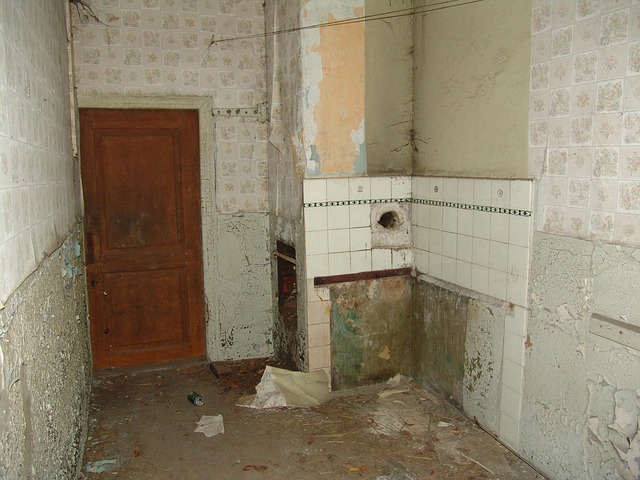
Planning a home renovation? One of the most critical steps in this process is creating a realistic budget. Understanding home renovation cost is essential for any homeowner embarking on a remodeling journey. While the potential for creativity and transformation is limitless, managing expectations and financial realities is paramount.
First, it’s crucial to define your project scope and goals. Are you looking to update your kitchen, create an outdoor oasis, or transform your basement into a rec room? Each of these projects comes with varying home renovation cost considerations. For instance, a mid-range kitchen remodel can range from $25,000 to $50,000, while a high-end renovation could exceed $100,000. According to a recent National Association of Home Builders (NAHB) report, the average cost of a kitchen remodel in 2022 was approximately $40,000.
Next, factor in unexpected costs and potential unforeseen circumstances. Remodeling often involves unexpected challenges, from structural issues to material shortages. A buffer in your budget, typically 10-15% of the total cost, can help accommodate these variables. Additionally, consider the impact of inflation on home renovation cost. Materials and labor costs can fluctuate, so it’s wise to factor in potential price increases over the course of your project.
Lenders often require a detailed budget breakdown for borrowers seeking renovation loans. When applying for financing, prepare a comprehensive budget outlining projected costs, including labor, materials, permits, and any contingencies. Lenders will assess your plan and may require appraisals or cost estimates from licensed contractors. Demonstrating a solid understanding of home renovation cost and a well-thought-out budget can enhance your loan application’s strength and increase your chances of securing favorable borrower requirements.
Cost-Effective Tips for Your Home Improvement Project

Home renovation cost can be a significant consideration for homeowners looking to improve their living spaces. To ensure your project remains financially feasible, it’s crucial to understand the various factors influencing home renovation cost. One key tip is to set a realistic budget and stick to it. Before starting, itemize your renovation goals and prioritize them based on both need and budget impact. For instance, a new kitchen might be a high priority but also a substantial expense.
Another cost-effective strategy involves researching and comparing prices from multiple contractors. Home renovation cost varies widely depending on the contractor, their experience, and the complexity of the work. Obtaining detailed quotes from several professionals allows you to gauge market rates and identify potential bargains. Additionally, consider the long-term value added by the renovation. Projects like updating windows or improving insulation can initially seem costly but significantly reduce future utility bills.
Financing options also play a crucial role in managing home renovation cost. Many borrowers opt for home equity loans or lines of credit, which tap into the equity built in your home. The borrower requirements for these options typically involve a good credit score and a substantial home equity buffer. For instance, a common rule of thumb is to aim for a minimum 20% equity buffer to avoid excessive debt. Alternatively, exploring tax incentives and rebates for energy-efficient renovations can further offset the home renovation cost.
Lastly, DIY projects can significantly reduce home renovation cost. Simple tasks like painting, basic plumbing fixes, or installing lighting fixtures can be tackled by homeowners with average skill levels. Not only does this approach save money, but it also empowers you to understand your home’s workings, potentially saving on future maintenance. However, always ensure safety and consider professional help for complex jobs to avoid costly mistakes.
Uncovering Hidden Costs: Avoid Unwelcome Surprises

When planning any home renovation project, it’s crucial to prepare for potential hidden costs that can significantly impact your budget. While initial estimates may seem promising, unforeseen expenses often arise, leaving homeowners with unexpected financial burdens. Understanding these costs beforehand is essential to avoid budget overruns and ensure a smooth renovation experience. Many factors contribute to the complexity of home renovation cost, especially when borrowers consider their financing options.
One common pitfall is underestimating material and labor costs, which can escalate quickly. For instance, a simple kitchen remodel might initially appear affordable, but specialty materials, custom cabinets, or unforeseen structural issues can dramatically increase the final bill. Similarly, bathroom renovations often involve hidden plumbing challenges that require additional repairs, pushing the project’s cost higher than anticipated. It is not uncommon for borrowers to discover that their initial budget does not align with the reality of home renovation cost once construction begins.
To navigate these complexities, borrowers should engage in thorough research and planning. Examining comparable renovation projects in your area can provide valuable benchmarks. Additionally, consulting with multiple contractors allows for competitive pricing insights. Lenders often consider a borrower’s ability to cover these costs, so demonstrating financial preparedness through pre-approval or a solid savings buffer is beneficial. By understanding the potential for hidden expenses and adopting proactive measures, homeowners can confidently manage their home renovation cost and avoid unwelcome surprises during the transformation of their living spaces.
Tracking and Managing Your Renovation Budget: Staying on Course

Tracking and managing your home renovation budget is a crucial aspect of ensuring your project stays on course and within your financial means. It involves a meticulous approach to planning and monitoring expenses, allowing you to make informed decisions and avoid costly surprises. One effective strategy is to establish a detailed budget breakdown, allocating funds for various aspects such as materials, labor, and unforeseen contingencies. This process requires thorough research and consideration of both fixed and variable costs.
Understanding home renovation cost borrower requirements is essential for successful financial planning. Lenders typically assess your ability to handle additional debt, often recommending that your total monthly housing expenses, including mortgage payments and renovation costs, should not exceed 33% of your gross monthly income. For instance, if your monthly mortgage payment is $1000, a prudent approach would be to allocate no more than $333 for renovation costs, leaving a buffer for other financial obligations. This ensures you remain within a comfortable financial perimeter during and after the renovation process.
Creating a realistic budget requires an honest evaluation of your financial situation and renovation goals. It’s vital to factor in potential fluctuations in material costs and labor rates, allowing for flexibility in your budget. For instance, if certain materials are subject to seasonal price changes, planning for these variations can help you avoid budget overruns. Regularly reviewing and adjusting your budget is a practical way to stay on course. Keeping track of expenses, whether through spreadsheets or dedicated budgeting apps, enables you to identify areas where you may be overspending and make necessary adjustments.
Additionally, seeking expert advice from contractors or financial consultants can provide valuable insights into realistic budgeting. They can offer guidance tailored to your region, project scope, and personal financial profile. For example, a professional contractor might suggest cost-saving alternatives for specific materials or design choices, helping you optimize your budget. Remember, effective budget management is key to a successful home renovation, ensuring your project becomes a valuable investment rather than a financial burden.