
Home renovation cost management requires meticulous planning, considering project scope, labor/material rates, location-specific costs, and finish choices. Allocate 5-10% as contingency for unforeseen issues. Regularly review and update budgets to track progress and identify savings opportunities. Research market trends and local data for realistic budget estimates. Gather detailed quotes from multiple contractors, ensuring transparency and professionalism. Track expenses closely, set aside an emergency fund, and adjust plans as needed. These strategies ensure successful financial control over home renovation cost.
Home renovation projects represent a significant investment for property owners, yet accurately estimating the associated costs remains a common challenge. This comprehensive guide aims to demystify the intricate web of home renovation cost factors, offering homeowners a clear, concise report to navigate this complex landscape with confidence. By delving into material, labor, and project-specific expenses, we empower owners to make informed decisions, avoid costly surprises, and ensure their renovation budgets align with realistic expectations.
Understanding Home Renovation Cost Factors

Understanding home renovation cost is a crucial step for any property owner considering a remodel. Several factors influence these expenses, each playing a significant role in the final budget. Key variables include the scope of the project, current market rates for labor and materials, location-specific costs, and the choice of finishes and fixtures. For instance, a kitchen renovation might range from a modest update with new cabinets and countertops to a complete overhaul involving new flooring, appliances, and plumbing work. Similarly, bathroom remodels vary based on whether they involve replacing fixtures, tiling, or completely gutting and rebuilding.
Borrower requirements also factor into the home renovation cost equation. Lenders typically require a detailed plan and budget before approving financing. This includes an estimate of materials, labor, permits, and contingencies. It’s important to remember that these costs can be influenced by market fluctuations in both labor and material prices. For example, a surge in wood prices due to supply chain issues could significantly impact the cost of a deck or floor replacement project. Homeowners should also consider potential hidden expenses like unexpected structural issues discovered during demolition.
Expert advice suggests allocating 5-10% of the total project cost as a buffer for unforeseen circumstances. This contingency fund ensures that homeowners can navigate unexpected challenges without derailing the renovation. Additionally, keeping an eye on home renovation cost trends in their specific market can empower property owners to make informed decisions. Regularly reviewing construction cost data and staying informed about local building regulations will help ensure that budget estimates remain realistic and aligned with current market conditions.
Creating a Detailed Budget for Renovations

Creating a detailed budget for home renovations is a crucial step in ensuring successful and stress-free remodeling. It involves meticulous planning to estimate costs accurately, accounting for both predictable expenses—like materials and labor—and potential unforeseen challenges. A comprehensive budget should encompass all aspects of the project, from design and permits to fixtures and finishes.
Start by gathering detailed quotes from multiple contractors or suppliers for each phase of renovation. For instance, a kitchen remodel might include costs for demolition, new cabinets, countertops, appliances, plumbing work, and electrical upgrades. Similarly, for bathroom renovations, factor in tile installation, vanity replacement, new fixtures, and potential structural changes. It’s essential to consider not just the immediate cost but also long-term value added. Home renovation cost should align with market trends and local real estate values to ensure a sound investment.
Borrower requirements play a significant role in budgeting for home renovations. Lenders often require detailed cost estimates, progress reports, and final invoices to verify expenses and assure responsible borrowing. For larger projects, securing pre-approval for a renovation loan can provide financial stability and peace of mind. It’s recommended to allocate a buffer within the budget for unexpected costs, which can account for 5-10% of the total home renovation cost. This flexibility ensures you’re prepared for any surprises without compromising essential expenses.
Regularly review and update your budget throughout the renovation process. Unexpected delays or design changes may impact original estimates, making timely adjustments crucial. Tracking progress against the budget helps identify areas where costs might be reduced or reallocated, ensuring the project stays on track financially. By maintaining a meticulous budget, property owners can navigate home renovation cost effectively, avoiding overspending and maximizing their investment’s return.
Common Costs: Materials to Labor
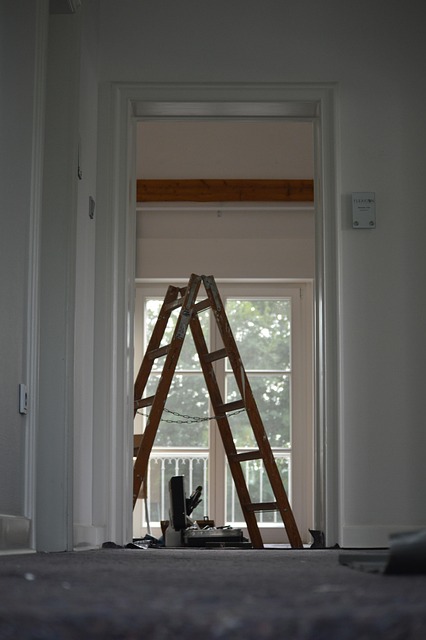
When planning a home renovation project, understanding the breakdown of costs is crucial for any property owner. Among the key factors, the relationship between materials and labor significantly influences the overall home renovation cost. This dynamic duo forms the backbone of any construction endeavor, with materials providing the foundation while labor ensures their proper assembly and finishing. On average, labor costs can account for 20-40% of the total home renovation budget, with materials typically comprising the remaining 60-80%.
To give a practical example, let’s consider a mid-range kitchen remodel. Materials such as cabinets, countertops, flooring, and fixtures might cost around $15,000 to $30,000, depending on quality and choice. Labor for this project could range from $10,000 to $20,000 or more, including the work of contractors, subcontractors, and specialized tradespeople. This illustrates that while materials are a substantial investment, labor costs can be equally significant, if not more so, especially in complex renovations. Home renovation cost borrower requirements often reflect this balance; lenders typically consider both material and labor costs when assessing loan eligibility, sometimes requiring a buffer to account for unforeseen expenses.
Experts recommend that property owners seeking home renovation loans aim for a budget that allocates 10-20% of the total project cost for materials and another 30-40% for labor. This range, however, can vary significantly based on project scope and location. For instance, urban areas with higher material and labor costs may necessitate larger allocations. Additionally, borrowers should be prepared to cover permit fees, insurance, and other miscellaneous expenses that are often overlooked but essential components of any home renovation project. By carefully considering these factors and budgeting accordingly, property owners can navigate the complexities of home renovation cost and ensure a successful transformation of their living spaces.
Estimating Project-Specific Expenses

Estimating project-specific expenses is a critical aspect of home renovation cost planning for property owners. Every home improvement project, whether it’s a kitchen remodel or a full basement finish, has unique elements that significantly impact the bottom line. To accurately predict these costs, homeowners must consider both fixed and variable expenses. Fixed costs include materials and labor, which can be estimated based on market rates and project scope. For instance, a standard bathroom renovation in a mid-range home typically ranges from $15,000 to $30,000, depending on the quality of fixtures and finishes chosen.
Variable expenses are more dynamic and depend on choices made during the design phase. These might include selecting premium appliances, custom cabinetry, or high-end flooring, which can significantly drive up costs. Homeowners should also factor in potential unforeseen expenses, such as unexpected structural issues or changes in project scope mid-renovation. To manage these variables effectively, it’s advisable to allocate a contingency fund, typically 10-15% of the total projected cost, to cover these unexpected home renovation cost adjustments.
Understanding borrower requirements is another essential aspect. Lenders often require detailed cost breakdowns and plans when financing a home renovation. Homeowners should be prepared to present a comprehensive budget that aligns with their project-specific expenses. This includes providing estimates from multiple contractors or suppliers for major components of the project. For instance, if planning a kitchen remodel, obtain quotes for cabinetry, countertops, appliances, and plumbing fixtures. Ensuring transparency and accuracy in these estimates not only aids in securing financing but also helps in managing expectations throughout the renovation process.
In light of these considerations, homeowners should aim to balance their home renovation cost aspirations with practicalities. Conducting thorough research, seeking expert advice, and creating a detailed budget are pivotal steps. Remember that while it’s essential to incorporate desired features and upgrades, sticking rigidly to a budget may require some compromise. A well-informed approach, considering both the specific nuances of the project and borrower requirements, ensures a smoother journey towards transforming one’s living space without overspending.
Comparing Quotes and Choosing Contractors

Comparing Quotes and Choosing Contractors is a crucial step in navigating the home renovation cost landscape. Property owners often begin this process by gathering estimates from multiple contractors, seeking to balance quality with affordability. A key aspect to consider is that home renovation cost can vary greatly depending on project scope, location, and contractor expertise. For instance, a minor kitchen remodel might range from $10,000 to $25,000, while a full basement finish can exceed $50,000. Therefore, borrowers planning home renovations should prepare financial reserves accordingly, keeping in mind the typical home renovation cost borrower requirements of 10-20% down for projects over $25,000.
When evaluating quotes, property owners should scrutinize not just the bottom line but also the scope of work, project timeline, and contractor reputation. Detailed proposals that break down labor, materials, and potential contingencies offer greater transparency. Verifying a contractor’s licensing, insurance, and customer references is essential to ensure professionalism and mitigate risks. Additionally, comparing the home renovation cost across different contractors can help uncover value, with some offering competitive pricing without compromising quality.
Another strategic approach involves seeking recommendations from trusted sources or reviewing online reviews to gauge contractor performance. Websites like Angi (formerly Angie’s List) and HomeAdvisor provide user-generated feedback, helping property owners make informed decisions based on past experiences and project outcomes. Moreover, understanding the specific home renovation cost associated with different types of projects—e.g., labor-intensive remodeling versus DIY projects—can empower borrowers to set realistic expectations and allocate funds appropriately.
Tracking and Managing Renovations Finances

Tracking and managing finances during home renovations is a critical aspect often overlooked by property owners, yet it’s essential to ensuring projects stay on budget and within financial reach. Understanding home renovation cost involves a deep dive into various factors that can significantly impact your bottom line. A clear, comprehensive report should break down these costs, offering transparency from the get-go. This approach empowers borrowers to make informed decisions, aligning their financial expectations with reality.
Home renovation projects can range from minor updates to major overhauls, each carrying distinct cost structures. Borrowers should be aware that home renovation cost is not a one-size-fits-all proposition. Factors such as location, project scope, material choices, and labor rates vary widely, influencing the overall budget. For instance, a kitchen remodel in a metropolitan area may command higher material and labor costs compared to a similar project in a smaller town. Therefore, borrowers must conduct thorough research and gather quotes from multiple contractors and suppliers to establish a realistic baseline for their home renovation cost.
Financial management during renovations requires meticulous tracking of expenses against the initial budget. Borrowers should maintain detailed records, including receipts and invoices, to ensure costs stay within the allocated limits. It’s important to remember that unexpected challenges or changes in scope can arise, necessitating flexibility in your financial planning. One way to mitigate this risk is by setting aside an emergency fund specifically for renovations, accounting for potential unforeseen expenses. Additionally, understanding borrower requirements for home renovation cost—typically 1-3 times the project estimate—helps in securing adequate funding and managing expectations with lenders.
Expert advice emphasizes the value of consulting professionals who can provide realistic estimates and guidance on financial management throughout the renovation process. Contractors and financial advisors can offer insights into typical home renovation cost ranges, helping borrowers set achievable goals. Regularly reviewing progress against the budget and making adjustments as needed are essential practices for successful financial tracking. By adopting these strategies, property owners not only navigate the complexities of home renovation cost but also emerge with a better understanding of their financial capabilities and long-term planning prospects.